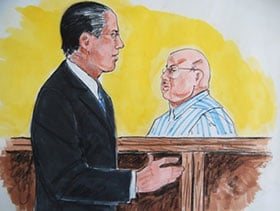
Former Illinois House Speaker Found Guilty on 10 of 23 Charges
Michael Madigan, once the longest serving legislator in United States history, was recently found guilty on 10 of the 23 criminal counts of an indictment in a highly publicized public corruption trial. The jury deliberated for 10 days after a months long trial filled with allegations by federal prosecutors that Madigan used his position of authority in various schemes, including paid jobs and contracts for his allies, leading to the 23-count indictment with charges of racketeering conspiracy as well as various bribery, wire fraud and attempted extortion charges. In the end, Madigan was acquitted by the jury on 7 of the counts and the jury remained deadlocked and could not reach a unanimous decision on an additional 6 counts, including the most significant charge of racketeering conspiracy. “This was a historic conviction, one that ranks high in the annals of criminal cases tried in this court,” Acting U.S. Attorney Morris Pasqual, told reporters after the verdict was announced. It is not yet clear if prosecutors will retry Madigan on those charges for which there was no verdict, which included no verdicts against Madigan’s codefendant and longtime lobbyist Michael McClain; the jury foreman told the Chicago Tribune that the jury was deadlocked at 11-1 in favor of acquittal on many of those counts.
Case Highlights Difficulty in Prosecuting Public Corruption
As we have previously covered, recent decisions by the United States Supreme Court have narrowed the definitions of what constitutes corruption or bribery for which public officials can be brought up on charges, making it more difficult for prosecutors to bring charges and convict them. Just last year, jurors were unable to reach a verdict against former AT&T boss Paul La Schiazza who was charged with bribery; he is set to be retried in June. Although Acting U.S. Attorney Pasqual assured reporters that the federal government will continue to pursue corruption charges against those it believes violated the law, Illinois state Representative Patrick Windhorst believes that Madigan’s trial showed the need to overhaul and strengthen Illinois’ rules and regulations against corruption. “The time to start cleaning up Illinois government was many years ago. That work should begin in earnest now” said Windhorst, who has introduced various bills and proposed rule amendments over his years as a legislator to address corruption and lessen the power that the Speaker of the House can yield over what bills are debated and voted on. At Madigan’s trial, various witnesses and attorneys testified that he had put a “brick” on bills that he allegedly did not want to see passed, an influence Windhorst would like to see corralled and give more power to the minority leader in the House, along with trying to curb the ability of lobbyists and establishing more protections against public corruption. Until there are modifications at the state and federal statutory level that pass constitutional muster, prosecutors may have difficulty proving corruption charges and any public official charged or subject to an investigation should hire an experienced criminal defense attorney who can fight back against any accusations at the earliest opportunity.