Guardians Betting Trial Highlights How Insiders Can Run Afoul of the Law
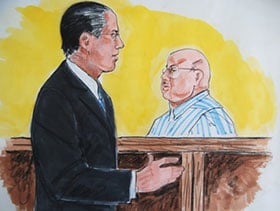
Recently in Brooklyn, jury selection began in the trial of two former Cleveland Guardians (formerly known as the Cleveland Indians) pitchers accused of rigging individual pitches for gamblers. Emmanuel Clase, a three-time All-Star closer and two-time American League Reliever of the Year, and starting pitcher Luis Ortiz are on trial after prosecutors alleged that they engaged in a conspiracy to commit wire fraud and honest services fraud, conspiracy to influence sporting contests by bribery, and money laundering conspiracy by tipping bettors to what they would do in games in which they pitched. Clase allegedly began tipping bettors in the Dominican Republic about specific pitches he planned to throw and bettors then placed bets using that information with sportsbooks, for example if the first pitch would be a ball or strike which is known as a “prop bet.” Prosecutors allege that Clase recruited Ortiz to engage in similar conduct, with bettors winning hundreds of thousands of dollars on these bets, with Ortiz and Clase allegedly receiving kickbacks after bettors won those bets. Both pitchers, along with other codefendants accused of placing the bets or passing the information to others, deny any wrongdoing, but if found guilty they face the prospects of lengthy criminal sentences.
US Soldiers Accused of Using Classified Information on Prediction Markets
Earlier this year, federal prosecutors in Manhattan charged Army Master Sergeant Gannon Ken Van Dyke, a Special Forces soldier assigned to U.S. Army Special Operations Command at Fort Bragg, with unlawful use of confidential government information for personal gain, theft of nonpublic government information, commodities fraud, wire fraud, and making an unlawful monetary transaction. The government alleges he was involved in planning Operation Absolute Resolve, the January 3, 2026, operation that captured Venezuela’s President Nicolas Maduro, and that between December 27, 2025, and January 2, 2026, he placed about 13 “YES” bets on Polymarket contracts tied to Maduro’s removal. These prediction markets, such as Polymarket and Kalshi, allows users to buy and sell “contracts” on whether and when real-world events will happen, from sports betting to political outcomes and other major events. Prosecutors allege that Van Dyke turned roughly $34,000 to more than $400,000 in profit through these bets, but given how new these platforms are and the lack of legal precedent analyzing the pertinent issues in the courts, prosecutors may have trouble sustaining a conviction. Regardless of how Van Dyke’s or the Cleveland pitchers’ cases go, it is clear that federal law enforcement authorities are looking to crack down on any alleged abuses. Given the digital footprint of these markets and sportsbooks, law enforcement will have access to long, detailed histories if they think anything nefarious or illegal conduct transpired and will almost certainly use that information to build a criminal case.